Stop and Stay at La Panadella
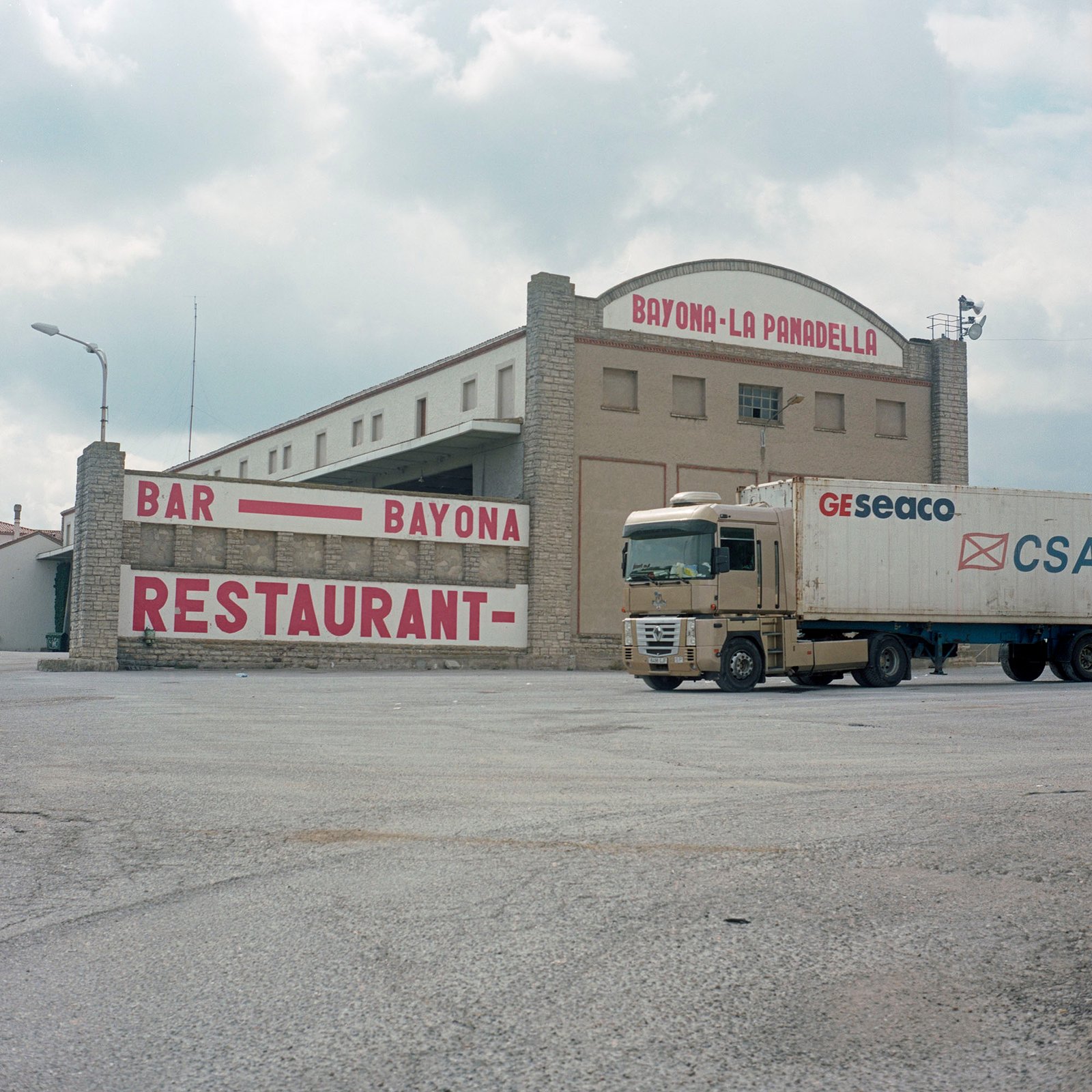
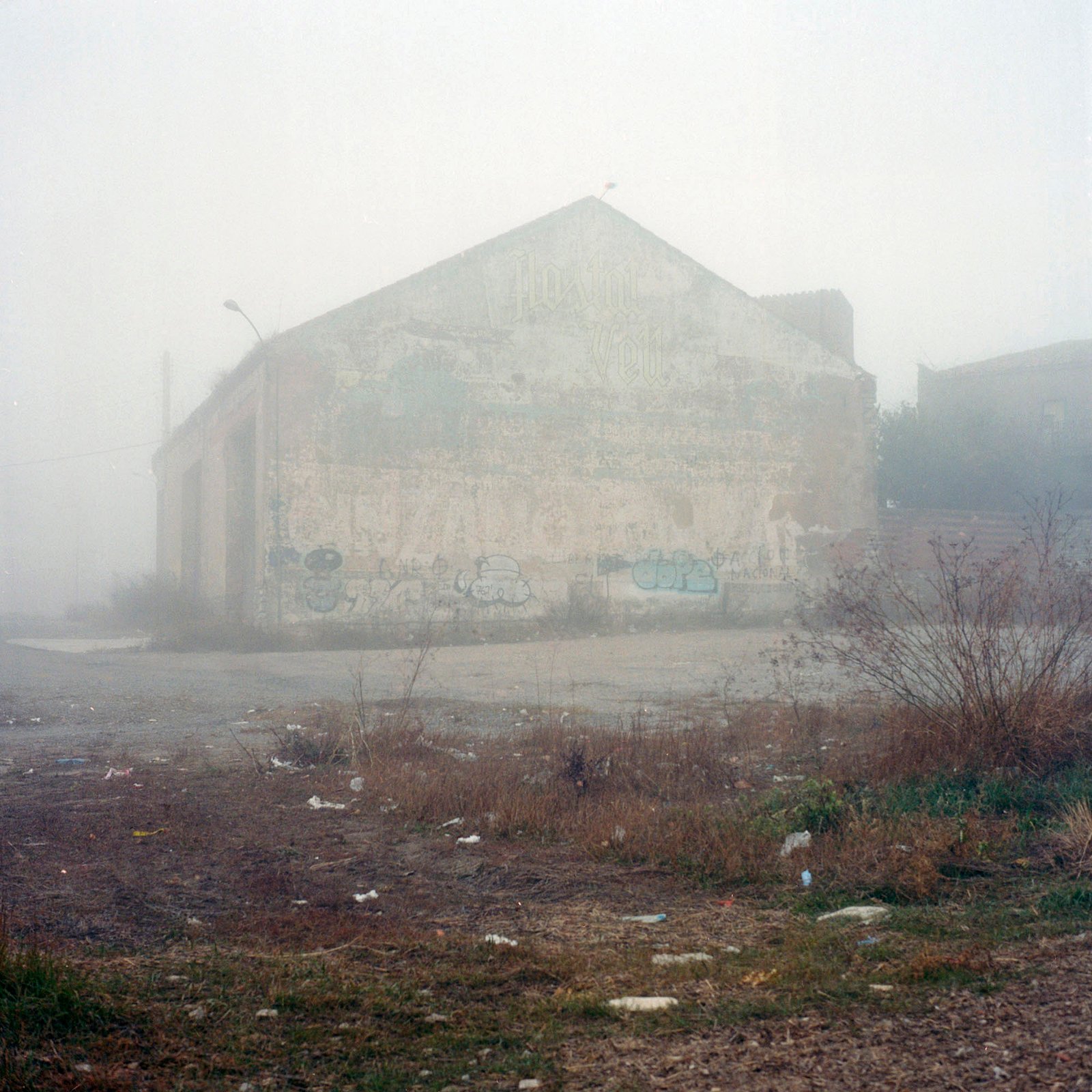
The La Panadella pass, 710 meters up in the Barcelona municipality of Montmaneu, belongs to that select group of places that have somehow held onto a strategic role for centuries. Back in the 8th century it saw clashes between Christians and Saracens, and nearly a thousand years later it was the scene of a bloody episode from the First Carlist War, when General Tristany's troops captured 700 Isabelline soldiers and shot 276 of them on the spot.
But it wasn't that war-torn past that drew me back there several times some years ago (and later led me to include many of the photos I took there in my project Vorals). It was another side of its long history — less bloody, but just as telling: the old royal road to Aragón, which in the Middle Ages ran from Barcelona to Zaragoza, passed right through the center of Montmaneu. That's what kicked off a long tradition of inns and travel services in the area. When the road became the N-II national highway, the route shifted slightly to La Panadella, and that's how the emblematic service area we still see today came to be.
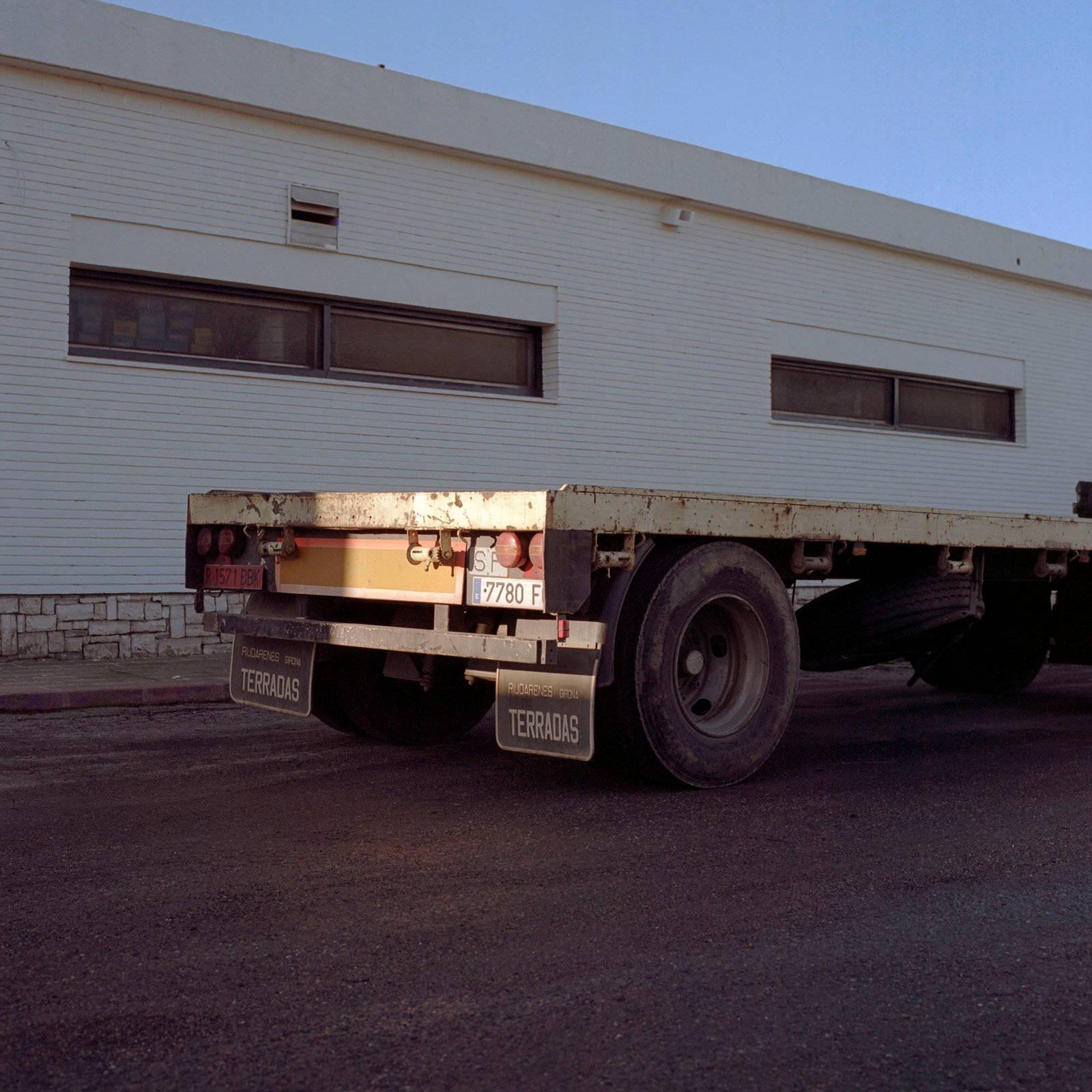
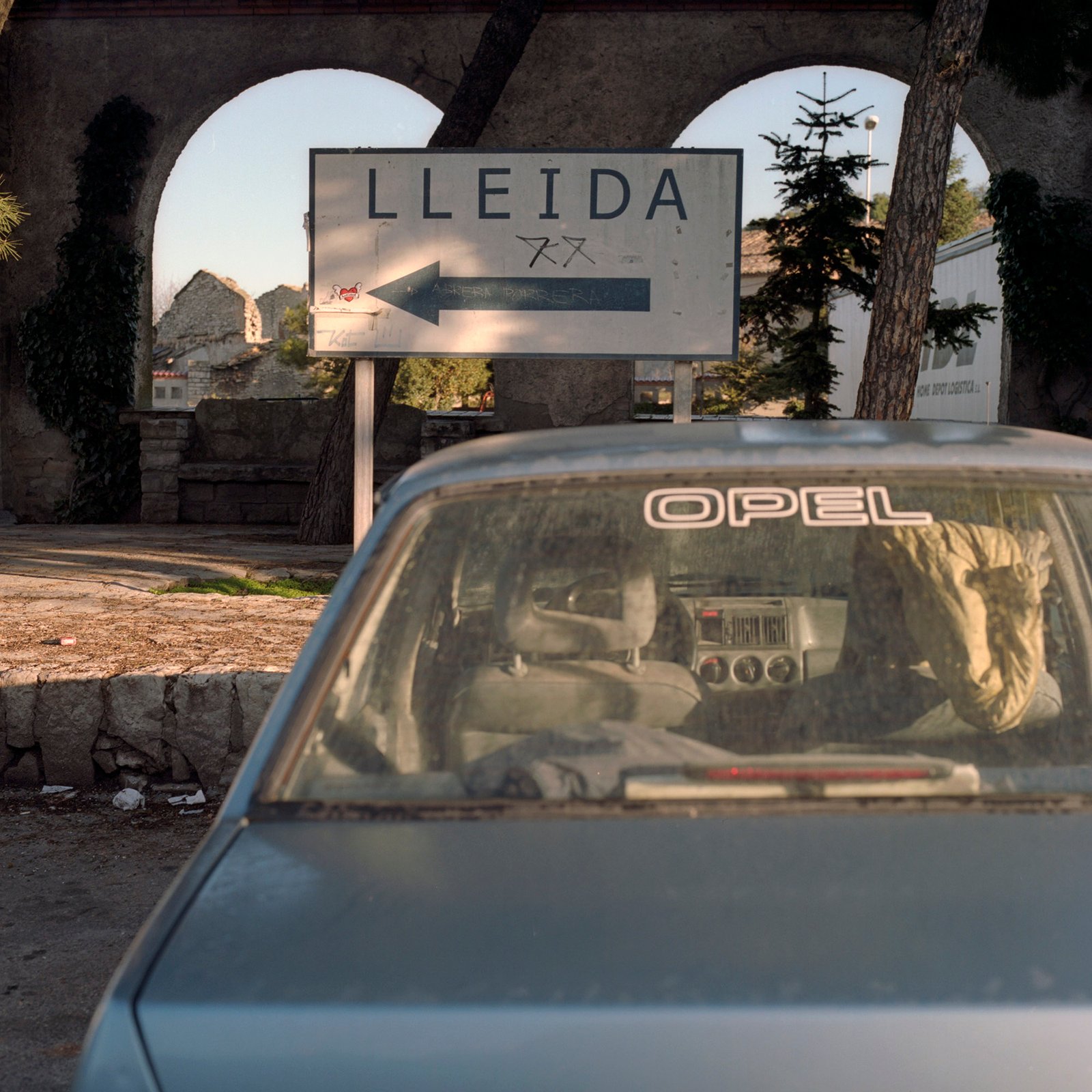
Arriving Lleida-bound, right after the roundabout where the old N-II splits off from the link to the northeast motorway, the first thing you run into is the Hostal Vell — the place where it all started. "Run into" is a bit of a stretch, though, since the façade of the main building, dating back to the 16th century and open until well into the 1990s, is now almost completely swallowed by vegetation. On either side of the road you can still make out, in decent shape, the two huge garages that once housed guests' cars.
Luckily for travelers, the Hostal Vell's closure didn't take the rest of the area down with it — this is still, hands down, the most iconic service area in Catalonia. Still open today: an inn-restaurant (Bayona), a bar-restaurant (Parada), a gas station, and a shop doubling as bakery and tobacconist.
La Panadella hit its peak in the second half of the 20th century. Spain was going through a major economic boom then, thanks to the so-called technocratic policies of the Franco regime — an ambitious push for industrialization and international tourism that opened the country up to the rest of the world.
One big result of that boom: families had more money to spend, and Spain turned into a mass-consumer society on par with the rest of the West. And the ultimate status symbol of the era, of course, was the car — no longer a luxury, but something ordinary people could actually afford. And with the car came the golden age of roadside businesses.
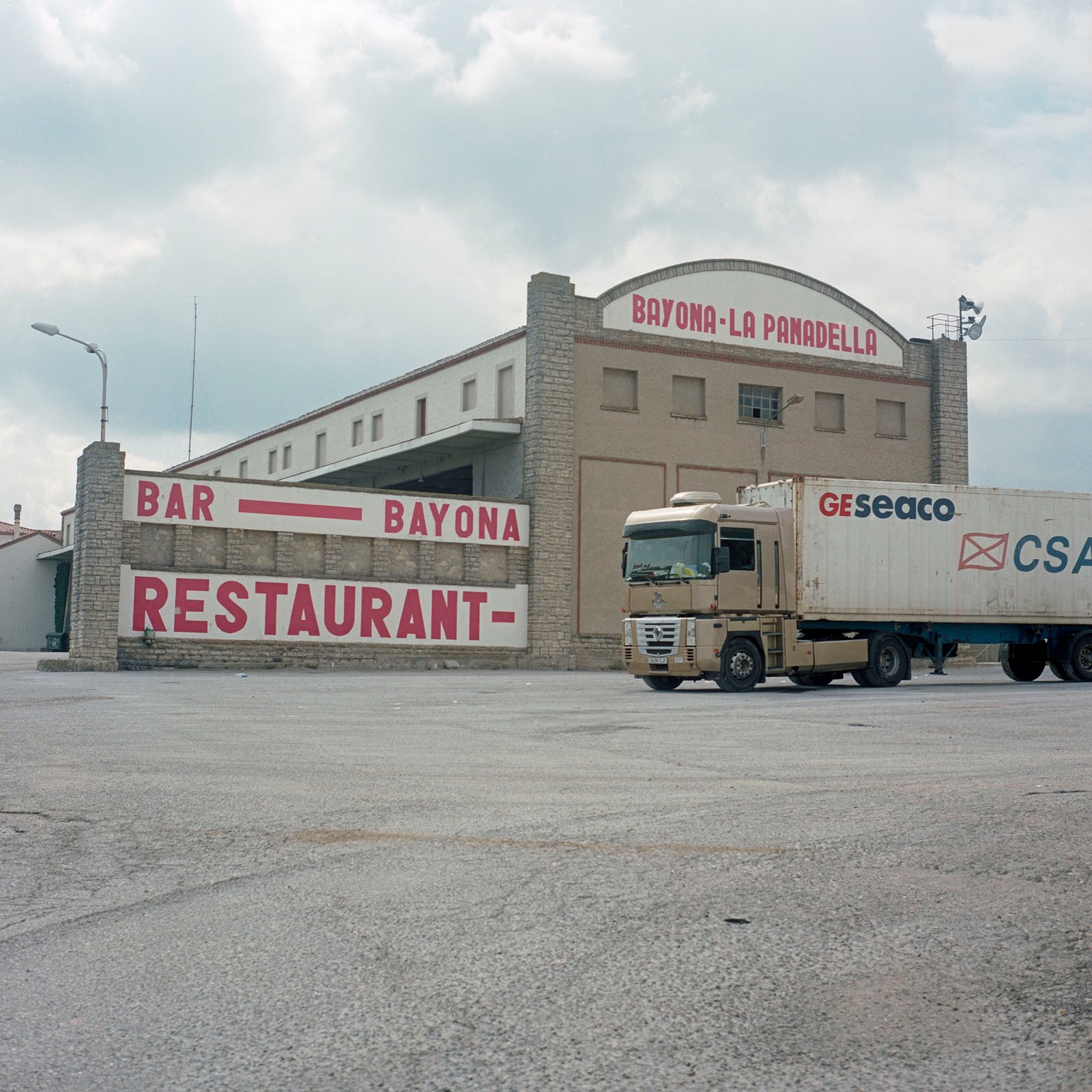
I don't know if the Queralt brothers, Magí and Manuel, had a crystal ball, but back in the mid-1940s — still deep in the postwar years — they had the nerve to buy up a big plot of land right by the road. In 1948 they built a gas station with four pumps there. A year later, in June 1949, they opened the Alberg de La Panadella: a twenty-room hotel with a bar and a fifteen-table restaurant. As traffic picked up over the years, they kept renovating and expanding the place until it became the iconic Bayona inn-restaurant.
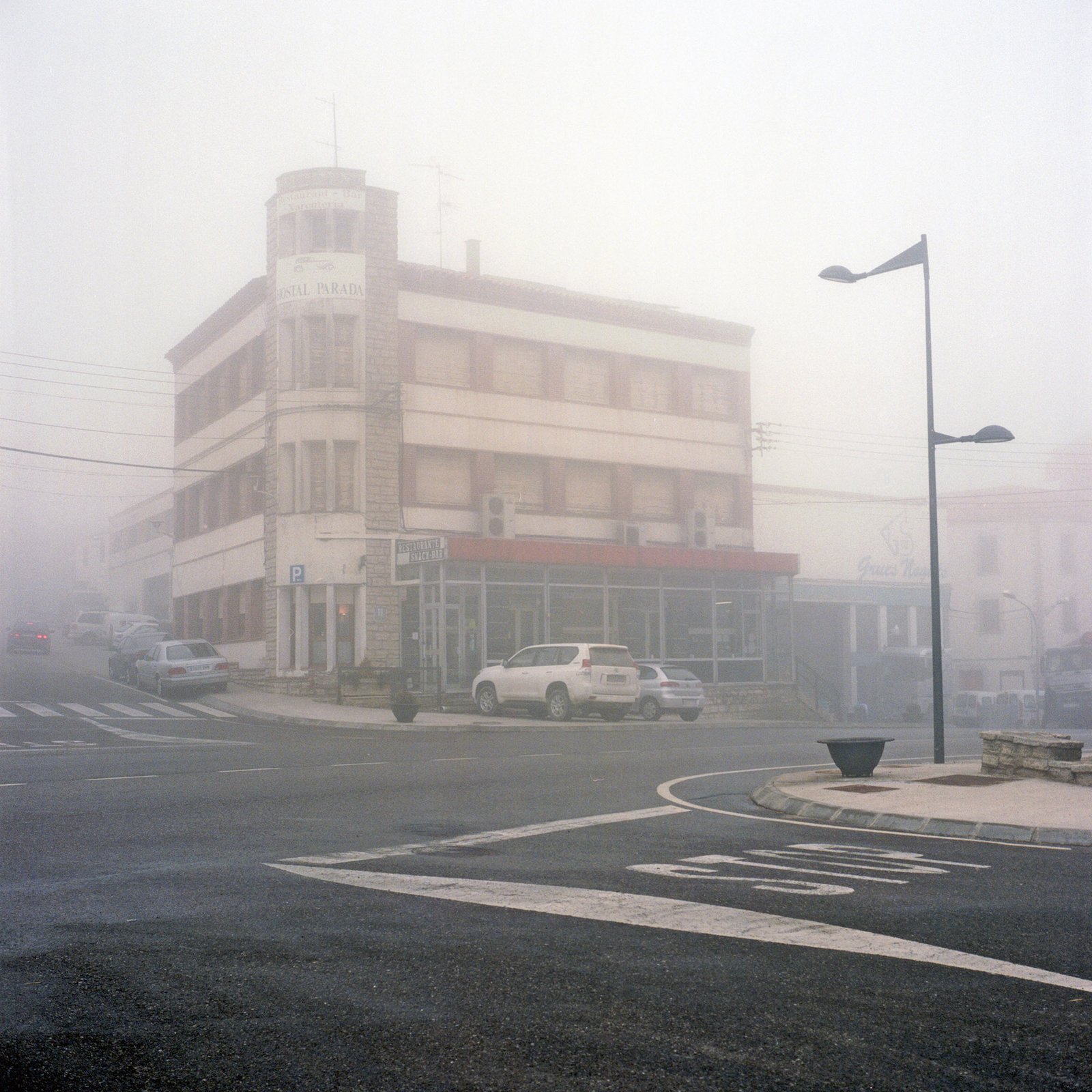
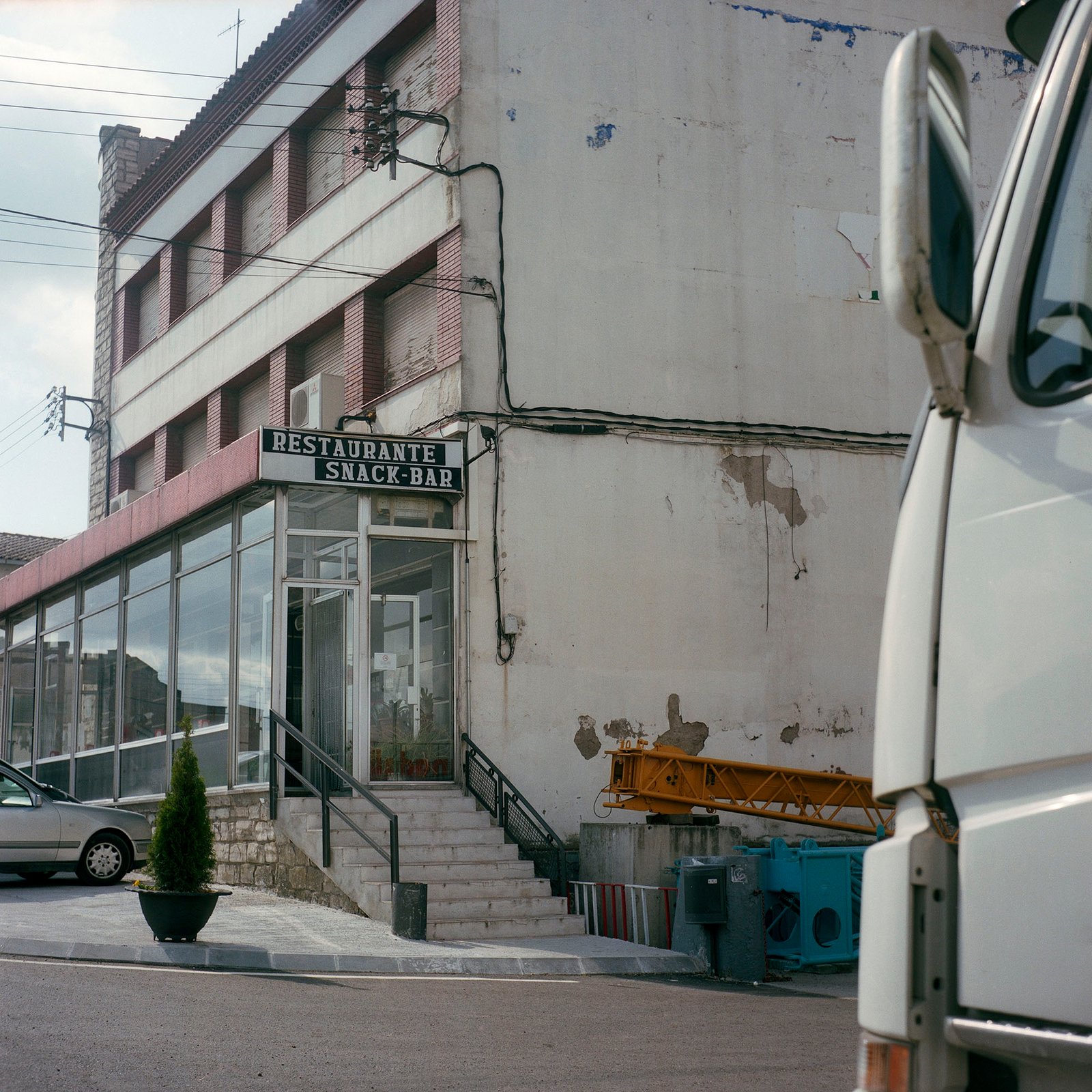
Bayona's success didn't go unnoticed, and in 1951 a third inn and restaurant opened up: the Parada, run by Jaume Requesens. Unlike the Queralts' place, which mostly drew truckers and bus passengers, this one was smaller and, at least on the surface, aimed at a wealthier crowd — enough to earn it the nickname "the rich folks' spot." It stopped offering rooms in 2000 and has focused ever since on food and selling quality gourmet products.
Between the two restaurants, another sharp business move: Talleres Nogués set up shop. For years its bread and butter was towing cars that broke down on the N-II, which back then had a pretty high accident rate. From the 1980s on, the company branched out into crane services for construction, public works, and industrial machinery.
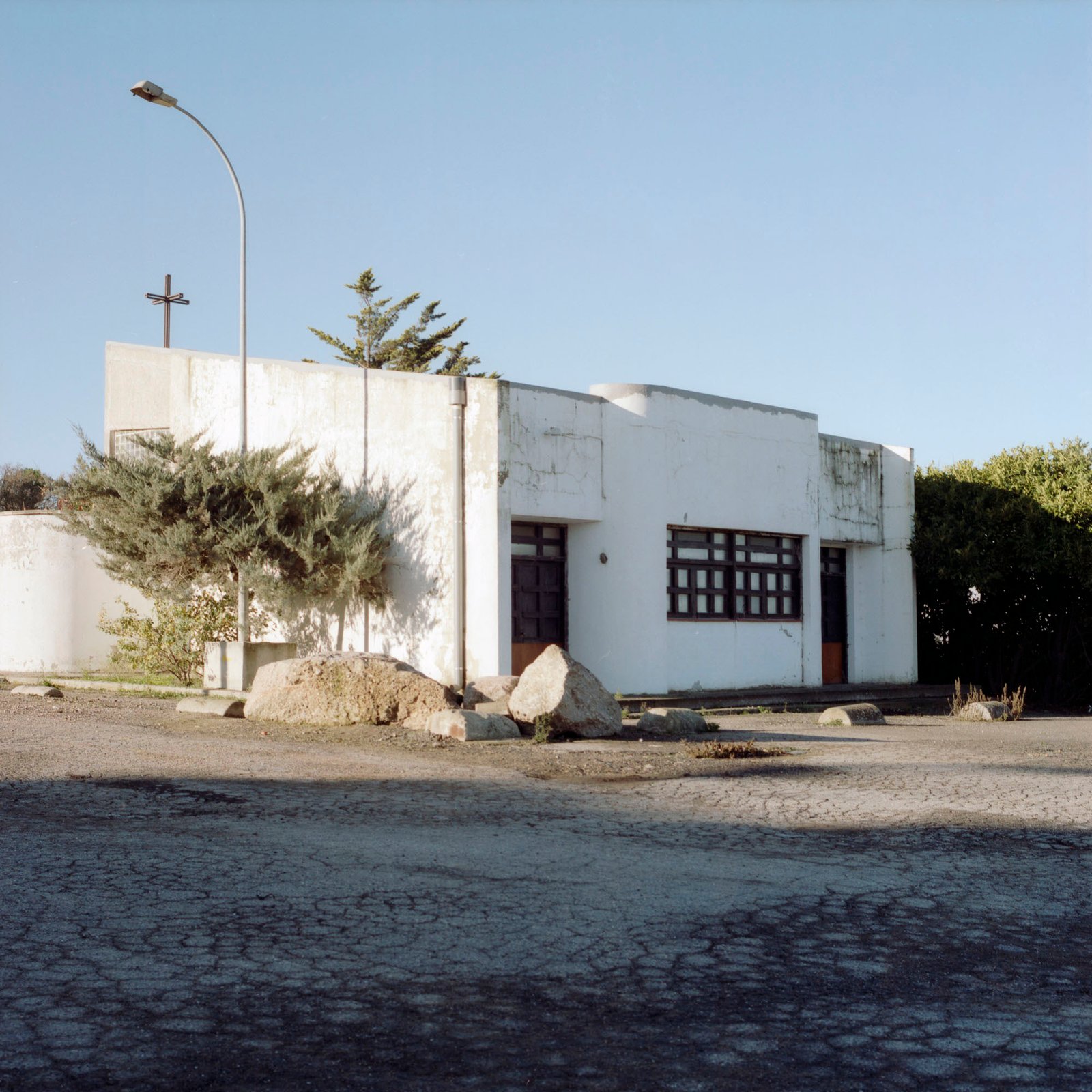
There's also a distinctive little chapel, dedicated to the Mare de Déu del Bon Viatge (Our Lady of Safe Journey), that the Diocese of Vic consecrated in 1976 to look after the spiritual needs of workers and travelers. The plan was to say Mass every Sunday, but by then times were clearly changing — turnout was thin, and the chapel has spent most of its life since then closed.
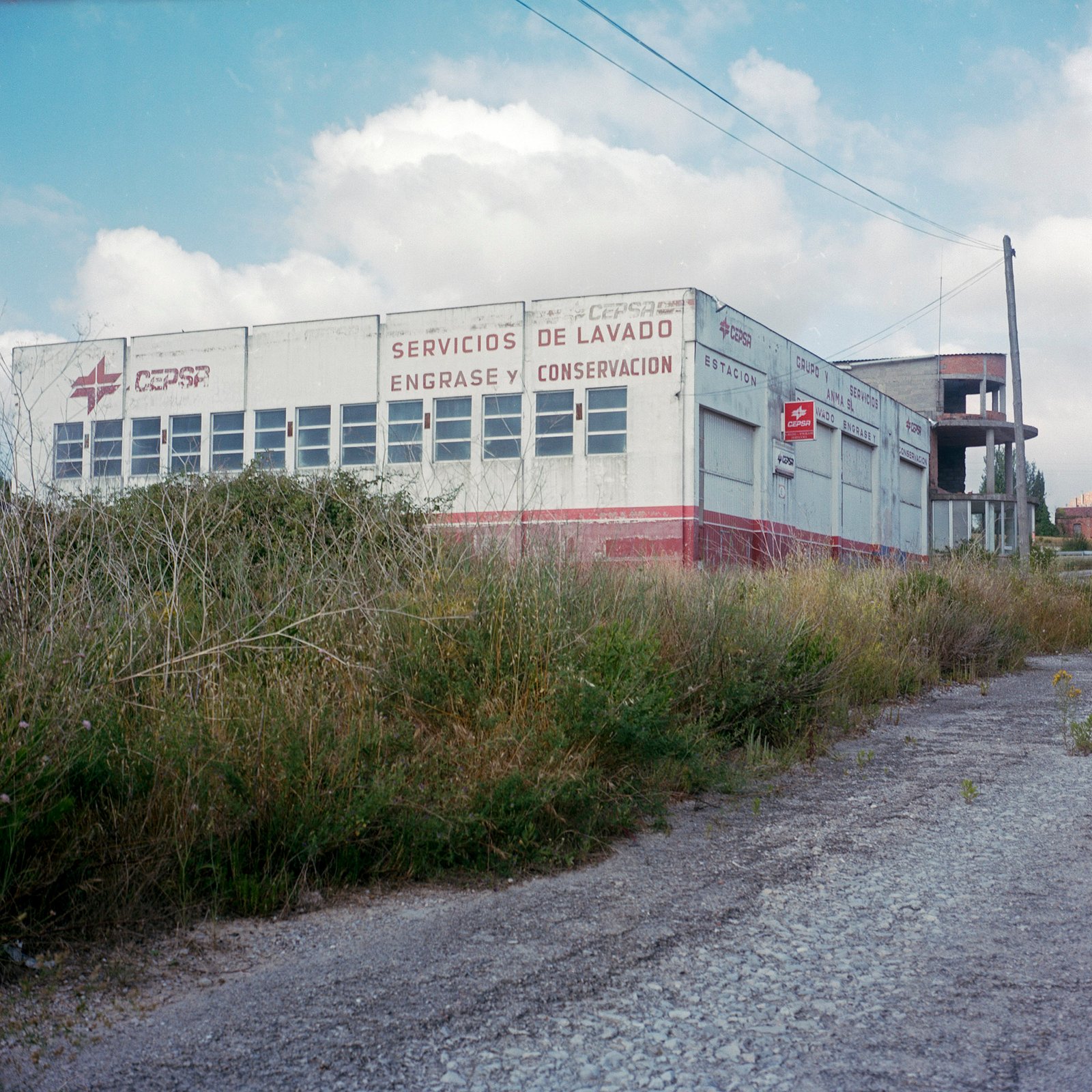

At La Panadella's peak, around 200 people kept the place running around the clock, every day of the week. Those were the days when Salvador Dalí would swing by the Parada, mustache and all, and popular Catalan bands like La Trinca or Los Sirex would stop at Bayona in the middle of the night for a bite after a gig.
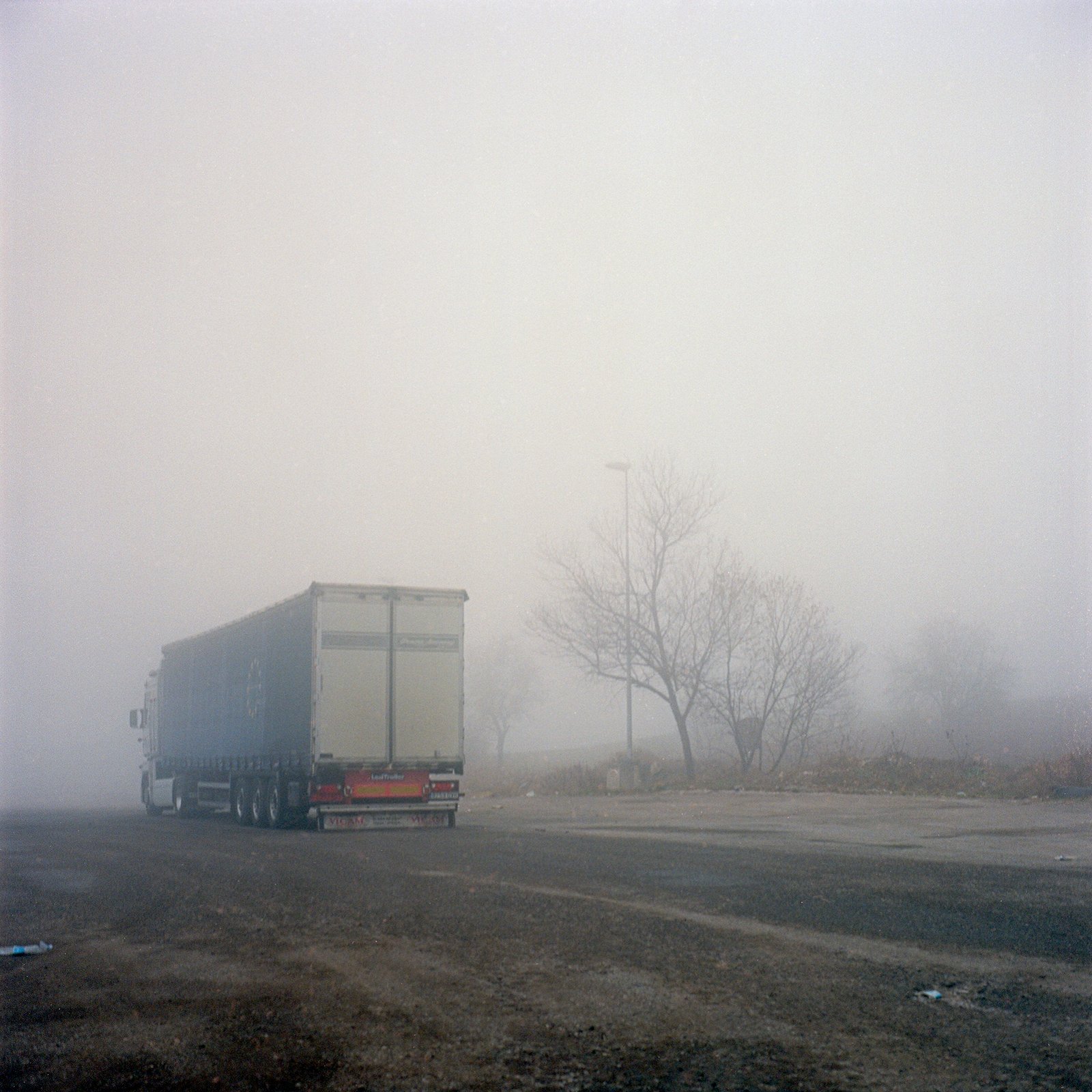
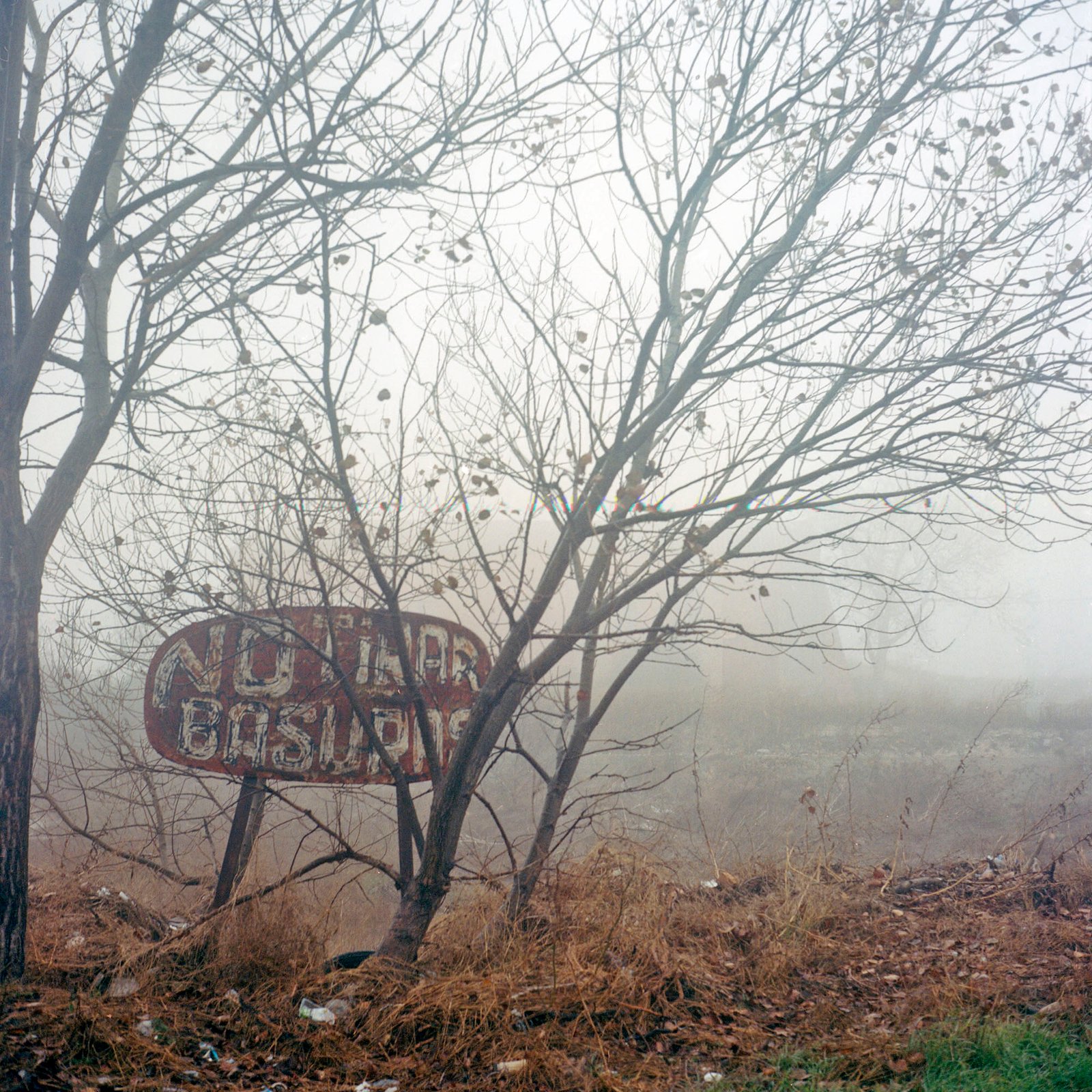
But like everything else, the good times eventually faded into memory. By the mid-1970s, cars were getting more sophisticated and the roads kept improving, so stopping at places like La Panadella stopped being a must on road trips.
From there it was a slow decline. The final blow came with the opening, twenty-two years ago today, of the last stretch of the A-2 motorway in 2004, followed by the 2008 economic crisis. These days, just over fifty people still work at the businesses that remain open there.
In case you want more:
- In 2014, TV3 aired La Panadella, històries de la carretera as part of its Sense Ficció series— a great documentary that told the place's story through the people who lived it, looked at its role in Catalonia's road-traffic history, and asked what's next for a future that still looks pretty uncertain, with no new generation obviously lined up to take over.
- In November 2025, part of the La hora del explorador urbano podcast crew (Urbex Leone, Diesel Turbo, Umpi, and yours truly) recorded an "on the road" episode, trading memories live, in several voices, about this stretch of the old N-II through the Anoia region. We also snuck into an abandoned workshop and inn, and took a quick peek at the rooms of the legendary Bayona.E
- Costa Rican filmmaker Joel Jiménez shot a short documentary there in 2023 — from the trailer, it looks moody and atmospheric, though I still haven't managed to watch it.
- And finally, do yourself a favor and check out Panadella, the great photobook Juan Sánchez put out in 2023 through Ediciones Anómalas. It won the Fotocanal photobook award from the Community of Madrid.